
Esports is booming, but most people still don’t get it. They hear the term and recognize the hype, but they’re lost when it comes to its true scale and structure. This confusion is frustrating.
I know it, and you probably do too. The esports space is complex, and its economic impact is massive.
What’s driving this?
I’m here to break it down. I’ll give you a clear, data-driven analysis. Forget the fluff.
This article cuts through the hype and delivers the facts about the esports industry.
You’ll get takeaways that matter, especially if you want to understand the core components and financial drivers behind this fast-evolving sector.
Trust me, I’ve dug into the global gaming and competitive entertainment scene. You’ll find that my perspective goes beyond surface-level observations. If you want esports business takeaways, you’re in the right place.
Let’s unpack this changing industry together.
Esports Unpacked: The Competitive Gaming World
What exactly is esports? It’s not just playing video games with your friends (it’s) a serious competitive sport. Unlike casual gaming, esports is all about professional players, organized teams, and structured leagues.
These players aren’t just gamers; they’re athletes competing in massive tournaments. Ever seen a stadium packed with cheering spectators? That’s esports for you.
It’s a world where gaming meets entertainment and technology, creating a unique industry.
Now, let’s break it down. You’ve got professional gamers. Players who train like athletes.
Then there are the organized teams with coaches and managers (yes, like traditional sports). Leagues and tournaments? They offer big prize pools, drawing crowds both online and offline.
And don’t forget the dedicated fans. They fuel the hype, making it a global phenomenon.
Esports functions as a global competitive sport because of this blend. It’s about playing games but also about the spectacle it creates. The industry thrives on a mix of digital innovation and fan engagement.
For deeper takeaways, check out this meta analysis teams dota 2 for more esports business takeaways.
So, why does all this matter? Because esports is reshaping how we view sports and entertainment. It’s not just a game (it’s) a global industry.
The Esports Gold Rush: Money, Growth, and Opportunities
The esports industry is booming. With a market size projected in the billions worldwide, it’s impossible to ignore its impact. Growth trends are off the charts, and for good reason.
Everyone wants a piece of the action.
It’s a no-brainer. Money flows from the brands to the teams, and everyone’s happy.
Sponsorships and advertising are the lifeblood of esports. Brands are eager to slap their logos on anything that moves (or clicks) in the gaming world. They partner with teams, events, and streamers to get visibility.
Then there’s media rights. Broadcasting giants like Twitch and YouTube Gaming pay hefty sums for exclusive content rights. Why?
Because eyeballs equal dollars. Even traditional TV channels are jumping in. It’s all about who can grab the most viewers.
Don’t forget the game publishers. Companies like Riot Games and Valve aren’t just sitting back. They’re investing directly in their competitive scenes, funding leagues and prize pools.
They know that a thriving esports scene boosts their game sales. Smart move.
Merchandise and tickets are another revenue stream. Fans love their branded gear and flock to live events. It’s not just about watching the game; it’s about being part of something bigger.
The community, the energy, the excitement. It’s all part of the package.
And let’s talk about prize pools. They’re what attract top talent. Funded by a mix of publisher money and sponsorships, these pools are the carrot that dangles in front of every aspiring pro gamer.
It’s all part of the grand esports business takeaways puzzle.
Esports Power Players: The Real Movers and Shakers
In the world of esports, understanding who’s running the show can offer some real esports business takeaways. At the core, Game Publishers/Developers like Riot Games and Valve do the heavy lifting. They’re the ones creating these powerhouse games.
Sure, playing is fun, but without them, we’d have no games to rave about. They don’t just build games; they’re like puppet masters, pulling the strings and tweaking the scenes of competitive play.
Now, let’s talk about Tournament Organizers. Companies like ESL and DreamHack organize massive events. They manage everything from broadcasts to competitive fairness.
It’s like a concert, but instead of music, you get epic game battles. These events wouldn’t exist without their expertise.
Esports teams and players are the celebrities here. Teams like TSM and FaZe Clan, those names are electric. They train hard and compete fiercely.
But let’s not forget Sponsors & Advertisers. They play the money game, backing teams and events to reach specific audiences. It’s why tech companies and energy drinks pop up everywhere.
Streaming platforms like Twitch and YouTube Gaming? They’re the viewing hubs. Without them, we’d have nowhere to watch the action unfold.
Check out some interesting valorant team play tactics for a deeper dive into plan.
The Global Audience: Who’s Watching Esports?
Esports is a wild ride of demographics (mostly) young and digitally savvy. You know the type. They’re glued to their screens, whether it’s a phone or a massive gaming setup.
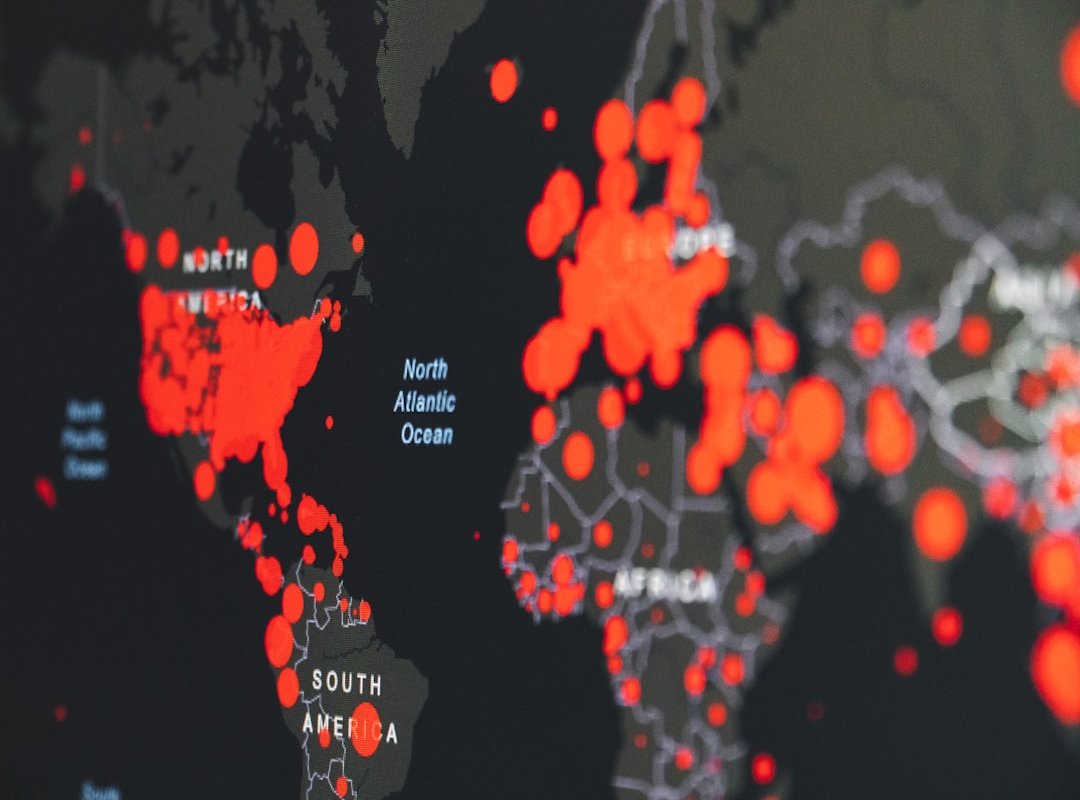
The global audience is estimated at a whopping 532 million, with 234 million diehard fans who rarely miss an event. Isn’t that crazy?
Engagement is key here. Most viewers start with watching live streams and VODs on Twitch or YouTube. It’s like the ESPN of esports.
But it doesn’t stop there. Fans flock to social media to follow teams, players, and events. Twitter and Instagram are buzzing with esports chatter.
Are you even an esports fan if you don’t engage on social?
Then there’s the personal connection. Playing the games themselves adds another layer to viewership. It’s like supporting your local sports team because you play pick-up games.
And let’s not forget the electrifying live events. Being in a buzzing arena packed with fans is a whole different beast.
Communities form around these experiences, cementing loyalty and fueling growth. Esports business takeaways show that these communities aren’t just fans. They’re families.
They share memes, strategies, and yes, sometimes heated debates. But that’s what makes it thrive.
Esports: The Road Ahead
Esports is at a crossroads. You can feel it. On one hand, the financial struggles are real.
Teams battle for sustainability and profitability. It’s tough out there. Then there’s the player side.
Burnout is a genuine concern. Eliminating it is easier said than done. The industry’s constant pace takes a toll on health and career longevity.
And let’s not forget about competitive integrity. Cheating, match-fixing, doping (it’s) a never-ending fight to keep the playing field level.
Now, think about the opportunities. Emerging markets like Southeast Asia and Latin America are bursting with potential. The tech side?
VR, AR, AI, and even blockchain are game-changers. They could reshape how fans engage with esports. Mainstream integration brings traditional sports and entertainment investors to the table.
New monetization models like fan tokens and NFTs can’t be ignored either. The esports business takeaways show a space rich with challenges yet brimming with potential.
Navigating the Esports Space
I’ve laid out a clear analysis of the esports industry. You wanted esports business takeaways, and I’ve delivered.
The initial complexity can be overwhelming. But breaking it down into finance, players, audience, and future trends makes it manageable.
So what now? Dive deeper into specific games. Follow the teams that excite you.
Explore the opportunities waiting in this ever-growing space.
You have the tools to understand this changing world. Don’t let confusion hold you back.
Start exploring today. Embrace the thrill of esports and get involved. Your journey starts now.